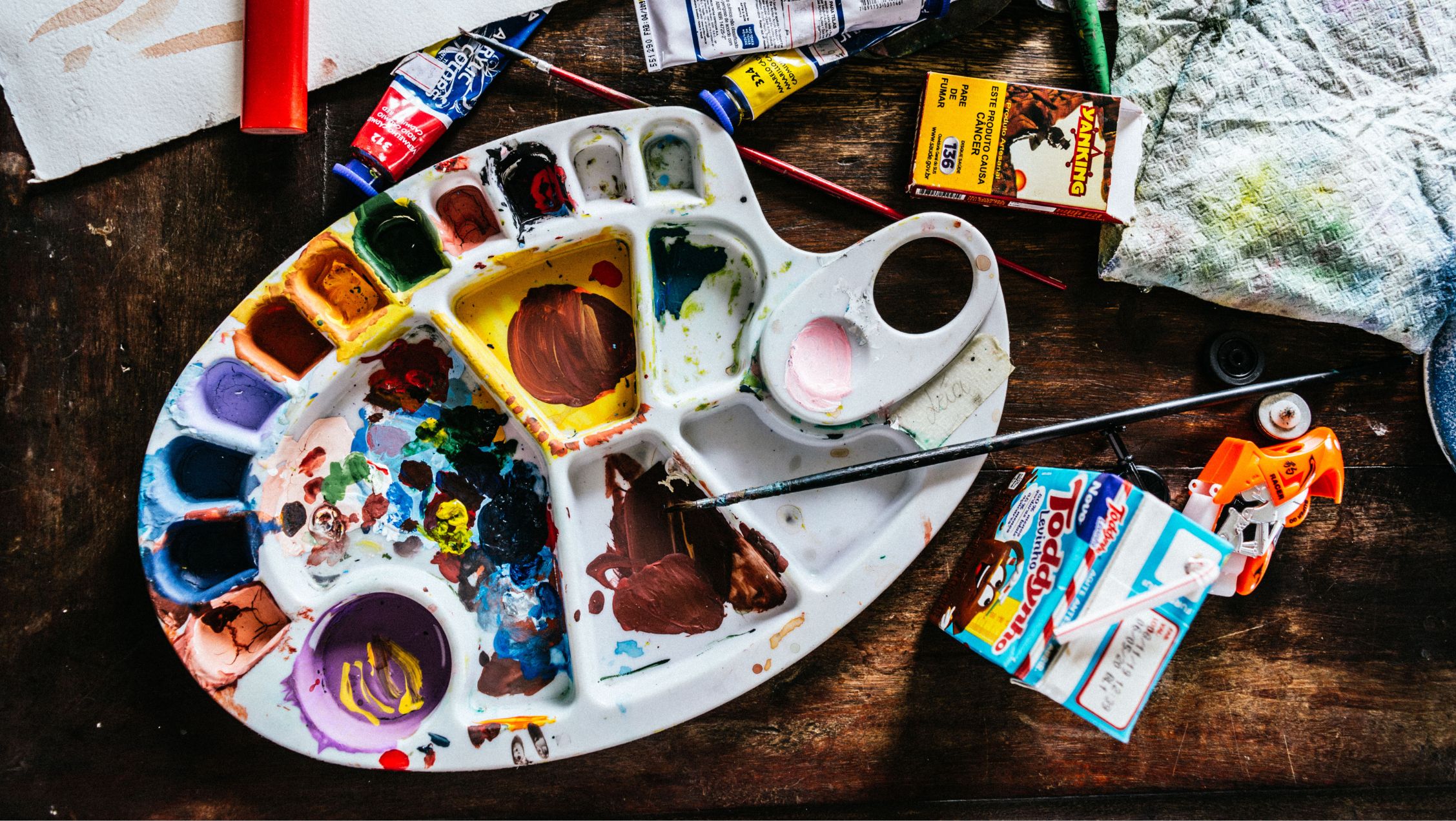
IB Visual Arts HL Artist Project: Concept, Process, and Realisation
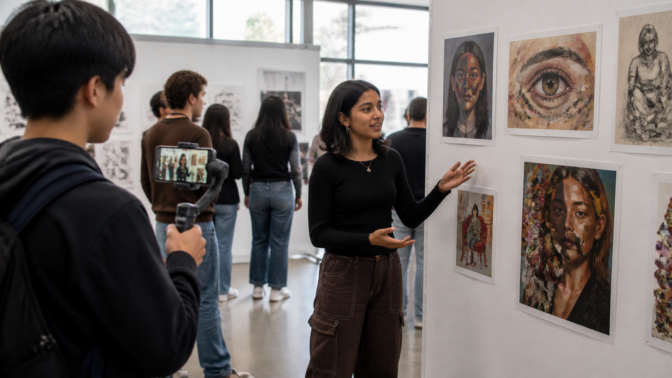
The IB Visual Arts Higher Level (HL) Artist Project challenges students to develop an artistic concept, explore relevant influences and create a stand-alone artwork for an audience. Under the revised syllabus, first assessed in May 2027, this externally assessed component is worth 30% of the HL final grade and carries 40 marks.
In this guide, you’ll learn how to strengthen your concept through research, experimentation and feedback, and present your completed artwork effectively.
1. Proposal and Conceptual Framework
Begin by outlining your artistic concept, intentions and the key ideas that will guide your Artist Project.
Establishing a Clear Line of Inquiry
A strong IB Visual Arts HL Artist Project begins with a clear artistic intention. The updated syllabus encourages students to explore ideas through practical investigation and experimentation.
Choose a subject that interests you, such as personal identity, environmental change or cultural memory. Then develop a guiding question, such as:
How can discarded materials communicate the gradual disappearance of natural environments?
Your initial planning should address four elements:
- Conceptual justification: Explain your subject’s significance and intended message.
- Line of inquiry: Define the question guiding your investigation.
- Technical feasibility: Assess your materials, methods, workspace and time.
- Potential development: Allow your concept to evolve through research and experimentation.
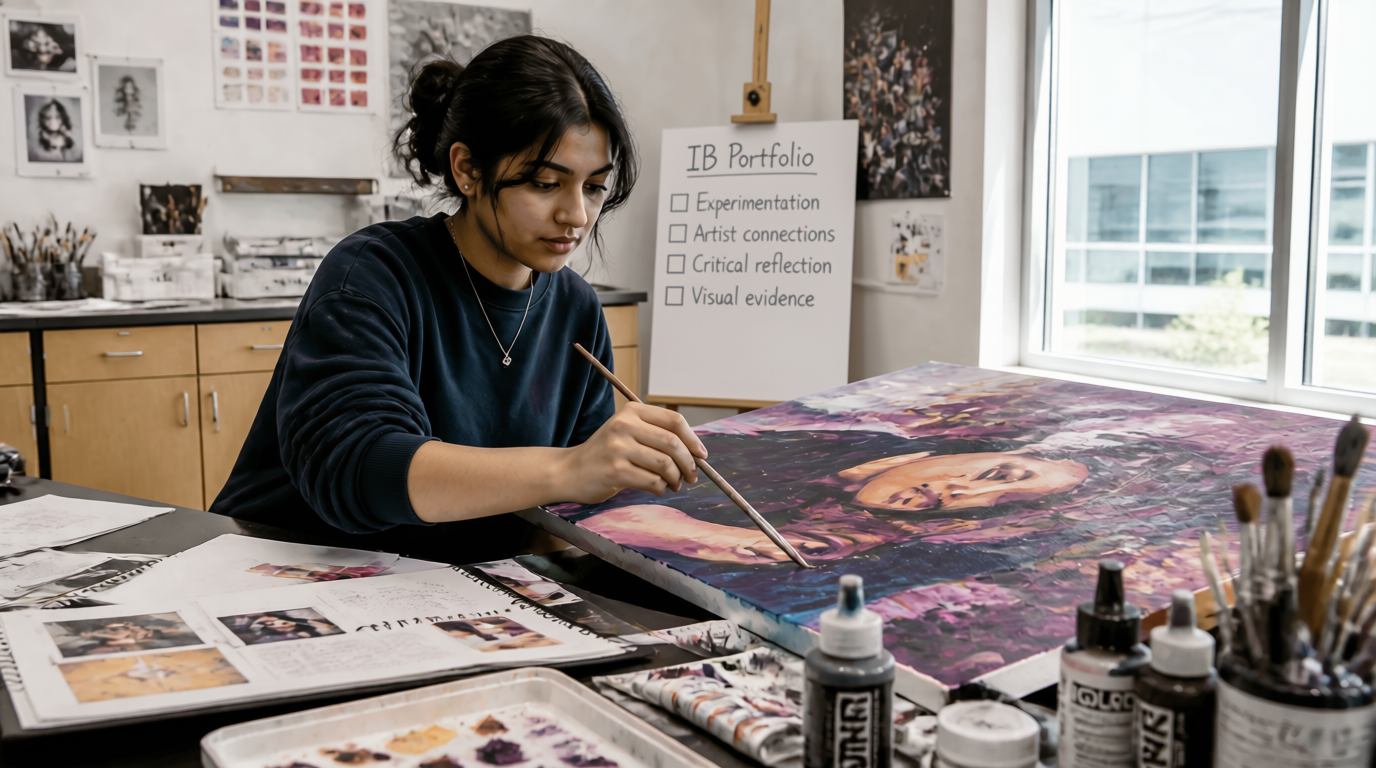
These considerations help establish a clear direction while allowing creative flexibility. The IB doesn’t require a fixed proposal template or number of planning screens. Use sketches, photographs, diagrams and brief annotations to communicate your ideas within the final submission.
Need help with this subject?
100 % of tutors are certified teachers and examiners


Defining Artistic Intentions and Materiality
Your artistic intentions define what you want to explore and communicate, while materiality refers to how your materials’ physical properties contribute to meaning.
For example, weathered wood might suggest deterioration, transparent fabric could express vulnerability, and digital projection might explore online identity. Choose materials that support your concept.
Site-specificity considers how an artwork interacts with its location. An outdoor sculpture may create a different experience from one displayed in a gallery, influencing scale, lighting and audience engagement.
You don’t need to finalise every installation detail early, but considering your audience and display environment can guide your creative choices.
2. Contextual Connections and Comparative Analysis
Explore how other artists, their techniques and cultural contexts influence your creative choices and strengthen your artistic concept.
Evaluating Stylistic Influences and Cultural Significance
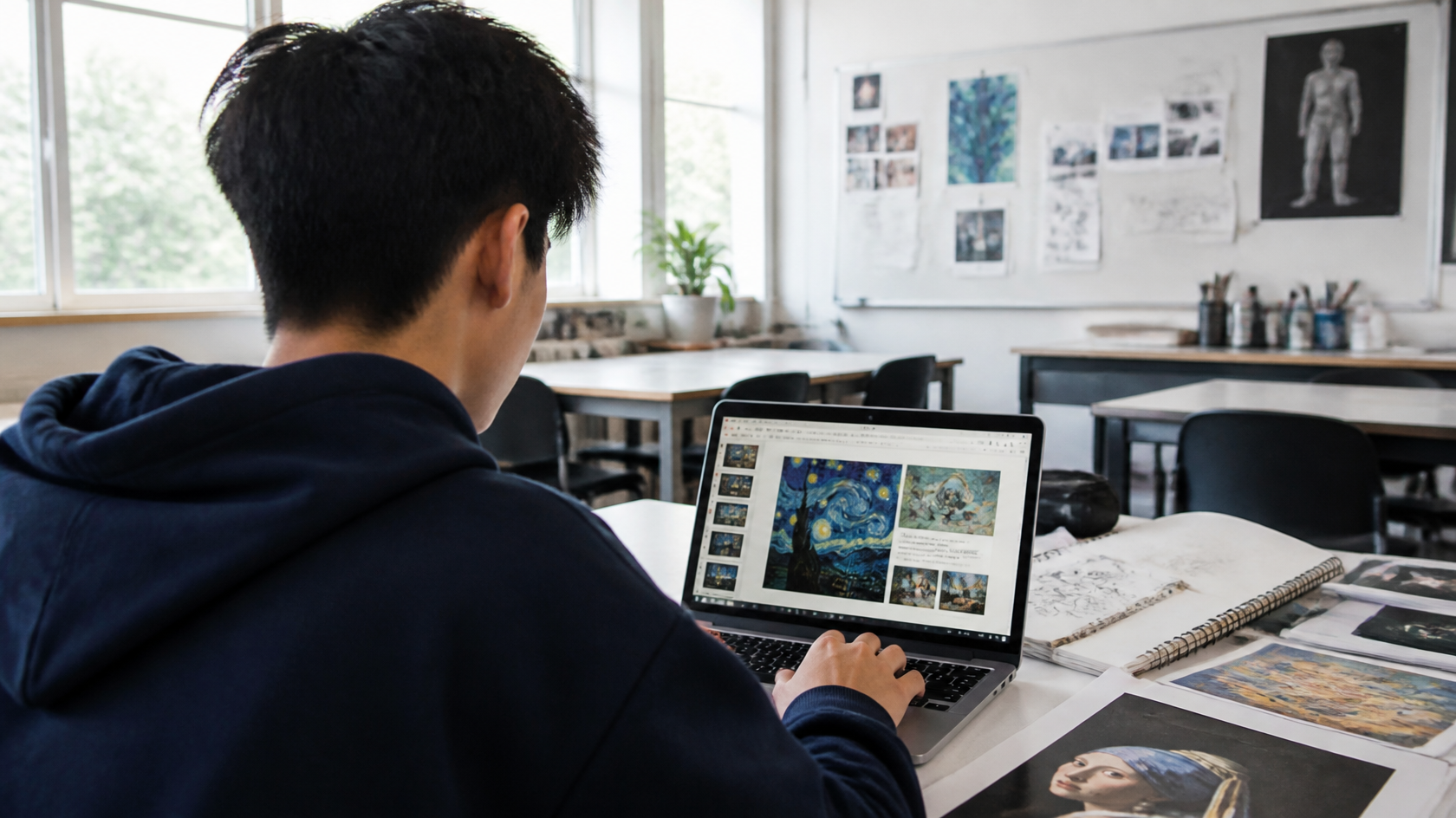
Research is essential to the HL Artist Project. You must demonstrate connections with at least two artworks by different artists, explaining how they inform your own investigation.
Choose works relevant to your concept, techniques or presentation. For example, when exploring consumer culture, you might compare an artist’s use of found objects with another’s photography.
Go beyond visual descriptions by examining cultural significance, historical context, intended audiences and underlying messages. Compare techniques, composition, symbolism and artistic approaches where relevant.
Your analysis should explain how these influences shape your creative decisions rather than imitate another artist’s style. Use annotated references alongside your experiments to demonstrate these connections, acknowledge sources and distinguish borrowed ideas from your original work.
Examining Formal Visual Elements
Formal visual elements, including composition, colour, texture, scale and contrast, help communicate your artistic concept.
For example, juxtaposition creates tension through contrasting elements, while tactility concerns surface qualities and spatiality explores how artwork occupies or represents space.
A project about urban isolation might combine rough concrete textures with translucent forms to suggest instability or separation.
Use photographs, close-ups and annotations to explain how specific shapes, proportions and arrangements support your intentions. Connect your visual choices to the meaning you want to communicate.
3. Dialogues and Adaptive Refinement
Feedback and ongoing dialogue help you evaluate your work, refine creative choices and adapt your artistic approach throughout the project.

Documenting Feedback and Iterative Design
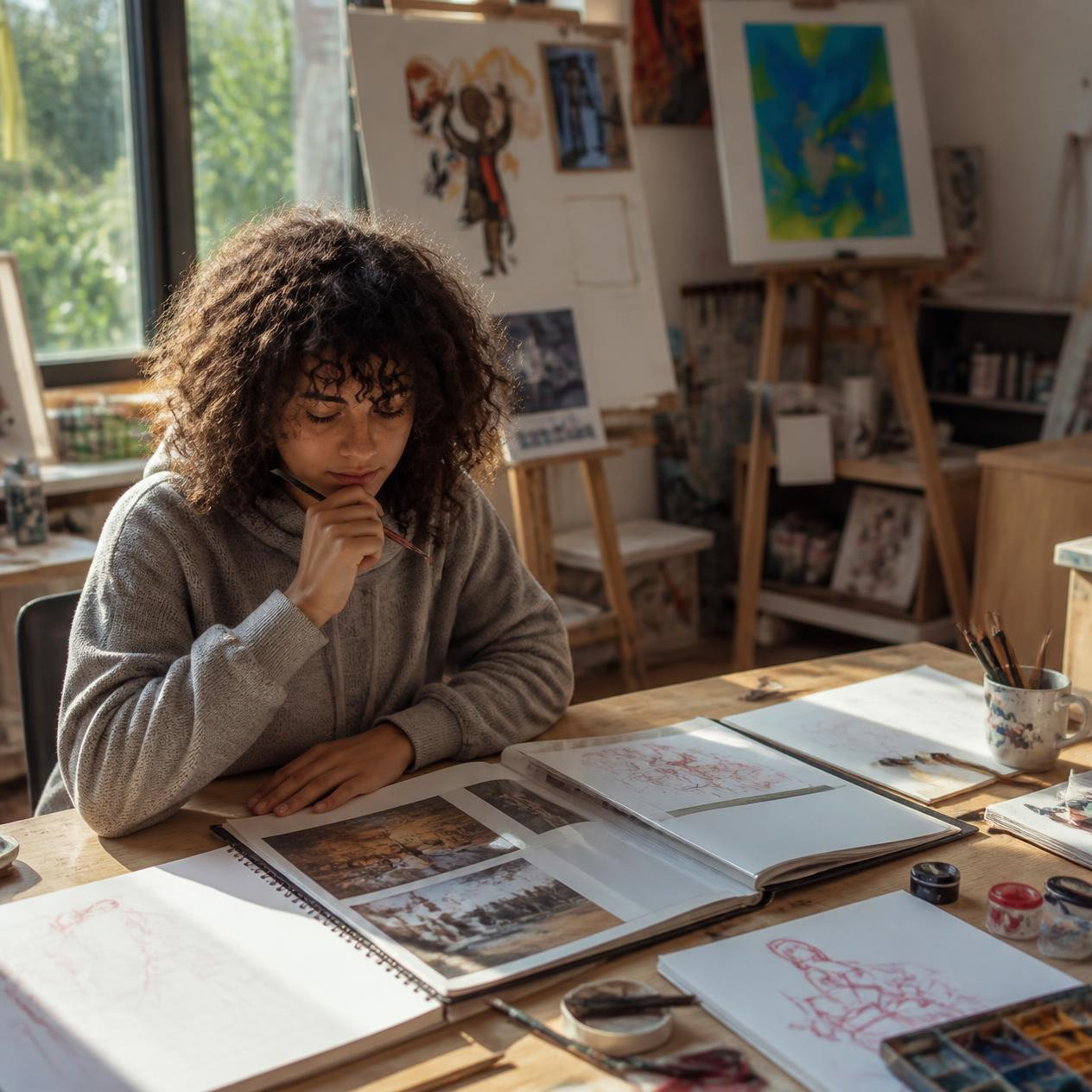
The revised IB Visual Arts syllabus emphasises dialogue as part of artistic development. For the HL Artist Project, show how feedback from teachers, peers, artists or audiences influences your creative decisions.
Meaningful feedback can reveal how viewers interpret your work and whether your intentions are clear. For example, an installation about social isolation might feel protective rather than restrictive, prompting changes to its lighting, dimensions or layout.
Document important revisions through photographs, sketches and annotations. Explain what you learnt, how you responded and why you made those choices.
You don’t need to follow every suggestion. Thoughtful refinement also involves knowing when to retain your original approach and explaining why.
Reflective Synthesis and Technical Evolution
Experimentation often involves unexpected challenges that lead to new creative possibilities. The IB encourages flexible, iterative processes supported by investigation and critical reflection.
For example, a large mixed media artwork might require lighter materials or structural adjustments to support its weight. Similarly, a photography project could explore chiaroscuro, tonal contrast and spatial depth through different lighting arrangements.
Document these changes through sketches, photographs and comparisons. Explain what prompted each adjustment, what you discovered and how it improved your work.
Your reflections should clearly connect experimentation, technical refinement and artistic intentions.
4. Curation and Realisation in Context
Curation and realisation involve refining your final artwork and making thoughtful presentation choices that communicate your intentions within its intended context.
Situating the Artwork in Context
The IB Visual Arts HL Artist Project requires a completed stand-alone artwork presented in a context of your choice, with careful consideration of its audience.
Your setting could be a gallery, school, outdoor space or digital environment. The chosen location should strengthen your concept and influence how viewers experience the work.
For example, an artwork about memory might use a domestic setting to evoke personal experiences, while a digital installation exploring surveillance could use projections and restricted viewing angles.
Consider lighting, positioning, movement and audience interaction. Explain how these curatorial choices support your intentions.
The IB doesn’t require a specific venue or installation format. What matters is the meaningful connection between your artwork, its context and its audience.
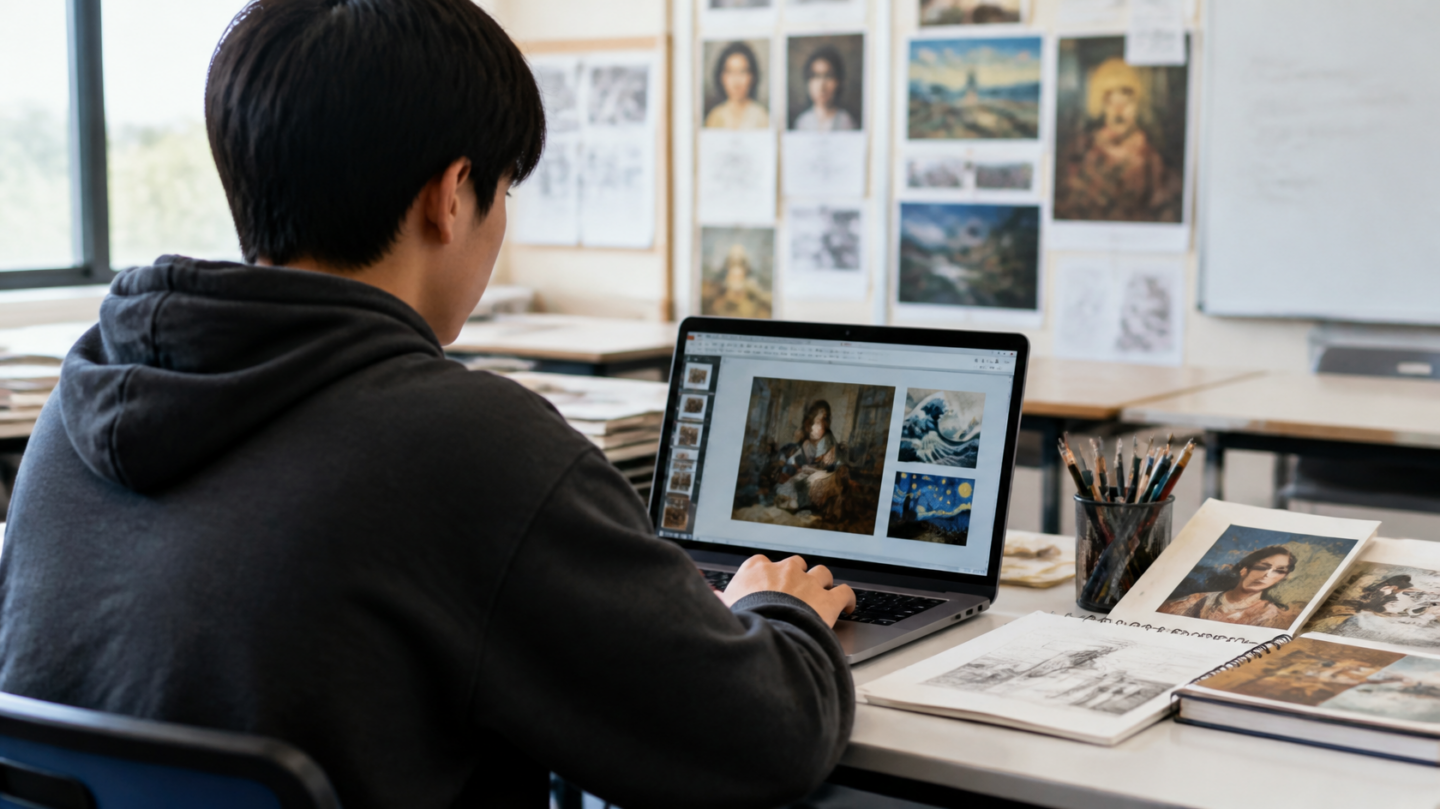
Video Presentation and Final Documentation
The HL Artist Project includes a compulsory video showing the completed artwork realised in its chosen context. Students must submit three files:
- Project PDF: Up to 12 screens containing visual evidence and supporting written material, with a maximum of 2,500 words. The IB also specifies section-specific word limits.
- Video presentation: One video lasting no longer than three minutes, showing the completed artwork in context. It must be accompanied by artwork details and a final artistic intentions text of no more than 100 words.
- Sources file: A separate text file listing the sources used.
Plan your video to show how your completed artwork interacts with its environment. Begin with a clear view of the piece, then use different angles to highlight its scale, materials and spatial relationships.
For three-dimensional or site-specific works, show how viewers experience the artwork. Time-based projects should capture movement or change, while close-ups can reveal textures and construction details.
Keep camera movements purposeful and avoid distracting effects. Your video should clearly communicate your artistic intentions and chosen context.
Final Tips for a Strong IB Visual Arts HL Artist Project
A strong Artist Project connects your concept, research, creative choices and final presentation. Keep your intentions clear, document meaningful experimentation and feedback, and explain how these shape your completed artwork.
Remember that the Artist Project has separate submission requirements from the HL Art-Making Inquiries Portfolio and Selected Resolved Artworks internal assessment.
Your final piece should communicate your intentions, while your documentation demonstrates the creative process behind it. For additional guidance, our IB Visual Arts tutors at TutorsPlus can help you understand the latest requirements and strengthen your artistic approach.